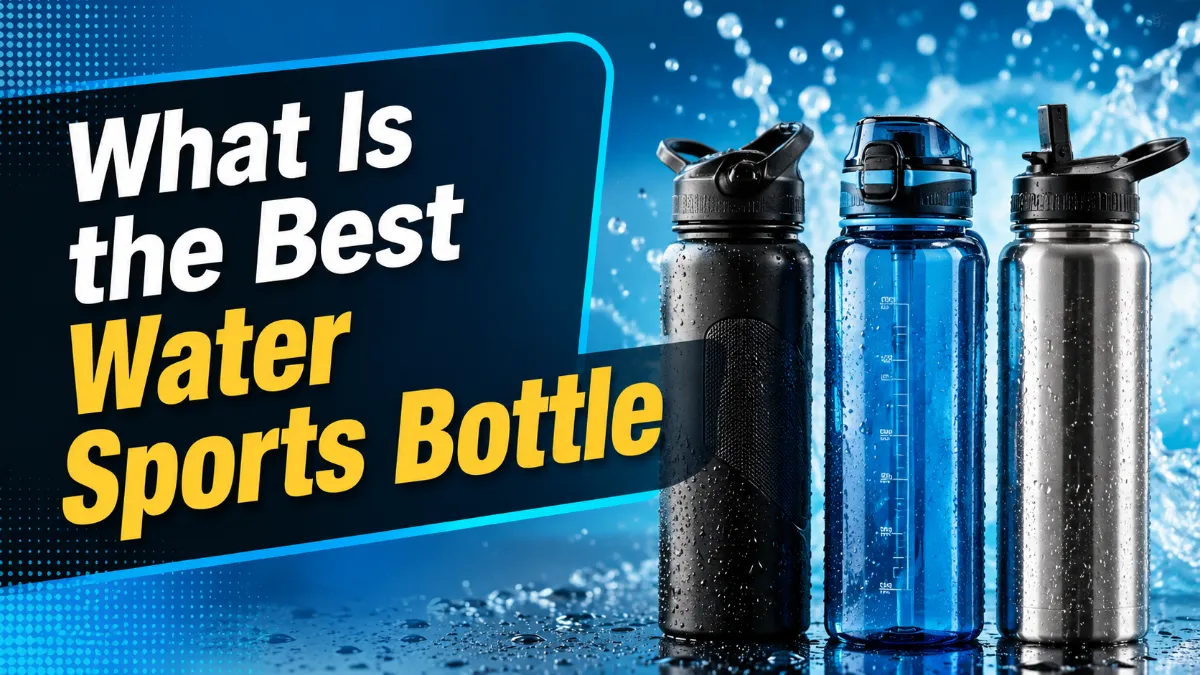
The best water sports bottle is one that combines a leak-proof design, BPA-free materials, secure grip, and easy one-handed drinking while kayaking, paddleboarding, sailing, surfing, or swimming. For most UK water sports enthusiasts in 2026, insulated stainless steel bottles and high-quality squeeze bottles remain the most practical choices because they keep drinks secure in unpredictable conditions and withstand repeated outdoor use.
During a local paddle race on the River Wye, one experienced kayaker lost valuable time after a poorly sealed bottle leaked inside the cockpit. The issue was not dehydration alone. Wet clothing, slippery gear, and wasted drinking water all became unnecessary problems. After switching to a dedicated water sports bottle with a locking bite valve and textured grip, hydration became effortless throughout long sessions. That small equipment upgrade demonstrated a simple truth: choosing the right bottle matters just as much as selecting the right paddle or buoyancy aid.
If you regularly kayak, canoe, paddleboard, sail, surf, or train in open water around the United Kingdom, selecting the right water sports bottle is more than a convenience. It helps maintain hydration, reduces distractions, and keeps your equipment organised even in rough conditions.
One of the biggest misconceptions is that any reusable bottle works equally well for water sports. In reality, bottles designed for office use often leak, become difficult to open with wet hands, or fail to stay attached to paddle craft. Purpose-built sports bottles solve these problems through specialised valve systems, durable construction, and secure carrying options.
Why Doesn’t Every Reusable Bottle Work for Water Sports?
No, not every reusable bottle is suitable for water sports. A dedicated water sports bottle is designed to perform reliably in wet, constantly moving environments where ordinary bottles often fail.
Many beginners assume that carrying the same bottle used at the gym is enough for paddle sports. After spending time kayaking along the Cornish coastline and paddleboarding in the Lake District, one issue becomes obvious very quickly: equipment behaves differently on water than it does on land.
Several common problems appear repeatedly:
- Twist lids become difficult to operate with cold or wet hands.
- Smooth plastic bottles easily slip from your grip.
- Poor seals allow water to leak inside dry bags.
- Large bottles do not fit deck bungees or kayak holders.
- Low-quality plastics absorb unpleasant odours after repeated outdoor use.
A purpose-built water sports bottle addresses these weaknesses by using features such as:
| Feature | Why It Matters |
|---|---|
| Leak-proof locking cap | Prevents water loss inside dry bags or kayaks. |
| BPA-free materials | Improves drinking safety during frequent outdoor use. |
| Textured grip | Makes handling easier with wet hands. |
| Bite valve or squeeze top | Allows fast hydration without stopping. |
| Attachment loop | Keeps the bottle secured to paddle craft. |
| Impact resistance | Survives drops onto rocks, docks, and slipways. |
Another myth is that insulation only matters during winter. Experienced paddlers know the opposite is true. During summer sessions on the Norfolk Broads or multi-hour SUP trips, cold water remains refreshing far longer inside vacuum-insulated bottles. Likewise, winter open-water swimmers often prefer warm drinks immediately after leaving cold water, making insulation valuable throughout the year.
Reliable organisations such as British Canoeing regularly emphasise hydration as part of safe paddling preparation. For additional safety guidance, see this guide. Likewise, readers maintaining a broader kayaking resource hub could naturally include an internal reference such as our complete kayak safety guide.
Which Water Sports Bottle Features Actually Matter?
The most important features are leak-proof construction, BPA-free materials, secure handling, easy drinking access, and durability. Everything else is secondary.
Marketing often focuses on colours, branding, or oversized capacities. Experienced paddlers usually prioritise performance instead. During several sea kayak trips around Cornwall and training sessions on the Thames, a few practical characteristics consistently made the biggest difference.
Leak-Proof Performance
A bottle that leaks inside a dry bag can soak clothing, electronics, snacks, and emergency equipment. Look for locking lids with silicone seals that remain secure even when the bottle rolls around inside a kayak hatch.
BPA-Free Materials
Food-grade stainless steel and high-quality BPA-free Tritan plastic remain among the safest and most durable choices for regular outdoor hydration.
Easy One-Handed Drinking
Paddle sports rarely allow both hands to be free for long. Bite valves, squeeze bottles, and flip-top systems allow hydration without interrupting rhythm.
Grip Texture
Smooth bottles become surprisingly difficult to hold after several hours on the water. Rubberised surfaces or moulded grip panels significantly reduce accidental drops.
Insulation
Double-wall vacuum insulation keeps drinks cold during warm weather and warm after winter swims. Although insulated bottles weigh slightly more, many experienced users consider the extra weight worthwhile for full-day adventures.
Attachment Options
Integrated loops, carabiner-compatible handles, or lashing points make it much easier to secure your bottle to deck lines, dry bags, or buoyancy aids without worrying about losing it overboard.
Popular brands frequently recommended among UK paddlers include CamelBak, HydraPak, Platypus, Nalgene, and insulated stainless-steel bottles from Hydro Flask and Stanley. Rather than choosing purely by brand reputation, compare features that match your preferred activity and trip duration.
Which Type of Water Sports Bottle Is Best for Different Activities?
The best water sports bottle depends entirely on your activity. A sea kayaker has different hydration needs from a competitive swimmer or someone enjoying a relaxed paddleboard session on a calm lake. Matching the bottle to the environment improves convenience, reduces fatigue, and helps maintain hydration throughout the day.
One common misconception is that a larger bottle is always better. In reality, oversized bottles often become awkward to secure inside kayaks or on paddleboards. Many experienced paddlers instead carry a medium-sized bottle within easy reach and store additional water separately for longer journeys.
| Activity | Recommended Bottle Type | Why It Works |
|---|---|---|
| Kayaking | Insulated leak-proof bottle | Fits deck storage and keeps drinks at the desired temperature. |
| Paddleboarding (SUP) | Squeeze bottle with attachment loop | Easy one-handed access while maintaining balance. |
| Surfing | Compact insulated bottle | Stores safely in a beach bag and withstands sand and saltwater. |
| Sailing | Large insulated flask | Suitable for longer sessions with changing weather conditions. |
| Wild swimming | Vacuum-insulated flask | Keeps warm drinks hot for recovery after cold-water swims. |
| Pool training | Squeeze bottle | Quick hydration between intervals. |
For UK users exploring locations such as the Lake District, North Wales, Cornwall, or Scotland’s sea lochs, choosing equipment suited to local weather conditions is just as important as choosing the right paddle or wetsuit.
Which Materials Perform Best in Real Outdoor Conditions?
The best material depends on how and where you use your water sports bottle. Stainless steel offers outstanding insulation, Tritan plastic provides lightweight durability, and soft hydration flasks excel when packability matters.
Stainless Steel
Double-wall stainless steel bottles remain the preferred option for all-day kayaking trips and cold-weather adventures. They resist odours, survive impacts well, and maintain drink temperature for hours.
Pros
- Excellent insulation.
- Highly durable.
- Does not retain flavours.
- Ideal for year-round UK conditions.
Cons
- Heavier than plastic.
- Usually more expensive.
BPA-Free Tritan Plastic
Tritan bottles have become popular because they combine low weight with impressive durability. Many paddlers prefer them during races where every gram matters.
Pros
- Lightweight.
- Impact resistant.
- Affordable.
- Dishwasher safe in many models.
Cons
- Little or no insulation.
- Water warms quickly during summer.
Soft Hydration Bottles
HydraPak and Platypus have popularised collapsible bottles that shrink as you drink. These are particularly useful for expedition paddlers who need to save space inside dry bags.
Pros
- Extremely compact.
- Lightweight.
- Ideal as backup water storage.
Cons
- Less rigid.
- Can be awkward to refill quickly.
What Are the Best Water Sports Bottle Recommendations for 2026?
The best water sports bottle is the one that matches your activity, hydration style, and budget rather than simply carrying the biggest brand name.
After comparing widely recommended outdoor hydration products and considering features valued by experienced UK paddlers, these models consistently stand out.
| Bottle | Best For | Standout Feature |
|---|---|---|
| CamelBak Podium | Training and paddle sports | High-flow squeeze valve. |
| HydraPak Flux | Adventure travel | Collapsible design. |
| Platypus SoftBottle | Expedition kayaking | Ultra-lightweight storage. |
| Nalgene Wide Mouth | General outdoor use | Exceptional durability. |
| Hydro Flask Wide Mouth | Cold-water swimming | Outstanding insulation. |
| Stanley AeroLight Bottle | Long-distance paddling | Lightweight insulated construction. |
When comparing products, avoid marketing claims that promise “the world’s best bottle.” Instead, focus on measurable features such as leak-proof testing, valve reliability, insulation performance, ease of cleaning, and replacement part availability.
Before purchasing, check recent manufacturer specifications and independent testing. For product safety guidance, readers may also wish to consult official British Canoeing resources alongside reputable outdoor equipment reviews.
How Should You Clean and Maintain a Water Sports Bottle?
The best way to maintain a water sports bottle is to clean it after every use, dry it completely before storage, and regularly inspect seals, valves, and threads. Proper maintenance not only extends the bottle’s lifespan but also prevents unpleasant odours, mould growth, and bacteria from developing inside hard-to-reach components.
Many paddlers believe rinsing a bottle with fresh water is enough. That misconception often leads to mould forming beneath bite valves or around silicone seals, especially after sports drinks or electrolyte mixes are used. During a week-long sea kayaking expedition off the west coast of Scotland, I noticed that bottles cleaned only with water developed a noticeable smell after just three days, while those properly washed with warm soapy water remained fresh throughout the trip.
Daily Cleaning Routine
- Empty the bottle immediately after your session.
- Rinse thoroughly with warm water.
- Wash using mild washing-up liquid and a bottle brush.
- Remove the lid and valve if possible.
- Allow every component to air dry completely before reassembly.
Weekly Deep Cleaning
For bottles used several times each week, perform a deeper clean regularly.
- Clean silicone seals separately.
- Use a narrow brush to reach the drinking spout.
- Inspect the valve for wear or cracks.
- Check insulation bottles for damage around the rim.
- Replace worn seals according to the manufacturer’s guidance.
Common Cleaning Mistakes
- Leaving water inside overnight.
- Closing the lid before the bottle is fully dry.
- Ignoring the bite valve during cleaning.
- Using harsh chemicals that may damage seals.
- Storing bottles in direct sunlight for long periods.
Key takeaway: Regular cleaning, complete drying, and occasional inspection of seals and valves will significantly extend the life of your water sports bottle while keeping drinking water fresh and safe.
How Can You Stay Better Hydrated During Water Sports?
Hydration starts before launching your kayak or paddleboard. Waiting until you feel thirsty usually means you’re already behind, particularly during long sessions in wind, sunshine, or saltwater environments.
One mistake I frequently see during group paddles is participants packing plenty of food but very little water. Cold weather also creates a false sense of security because you may sweat less noticeably while still losing significant fluids.
Practical Hydration Strategies
- Drink before entering the water rather than waiting until mid-session.
- Take small sips every 15–20 minutes during prolonged activity.
- Carry electrolyte drinks during multi-hour adventures.
- Secure your bottle where it remains easy to reach.
- Use an insulated bottle to encourage regular drinking throughout the day.
Hydration Checklist Before Launching
| Check | Completed? |
|---|---|
| Bottle filled | ✓ |
| Leak-proof lid tested | ✓ |
| Bottle secured to craft | ✓ |
| Backup water packed for long trips | ✓ |
| Electrolytes packed if required | ✓ |
For longer expeditions across locations such as Loch Lomond or the Norfolk Broads, many experienced paddlers carry both a primary water sports bottle and a reserve hydration bladder inside a dry bag. This approach reduces the need for shoreline refills and provides an extra safety margin if weather conditions delay your return.
Frequently Asked Questions
What size water sports bottle is best?
For most kayaking, paddleboarding, and sailing sessions, bottles between 600 ml and 1 litre offer the best balance between capacity and portability. Longer expeditions may require additional water storage.
Is an insulated bottle worth it for water sports?
Yes. Insulated bottles help keep drinks cold during summer paddling and warm after winter swimming, making them valuable throughout the year in the UK.
Are BPA-free plastic bottles safe?
High-quality BPA-free bottles from reputable manufacturers are widely used for outdoor hydration and remain an excellent lightweight option when properly maintained.
Can I use a gym bottle for kayaking?
You can but purpose-built water sports bottles usually provide better leak protection, easier one-handed drinking, and more secure attachment options.
How often should I replace a water sports bottle?
A quality stainless steel or Tritan bottle can last for many years if cared for properly. Replace it if you notice cracked components, damaged seals, persistent leaks, or compromised insulation.
Which brands are popular among UK paddlers?
CamelBak, HydraPak, Platypus, Nalgene, Hydro Flask, and Stanley are commonly recommended because they offer durable construction and reliable outdoor performance.
Can I put sports drinks inside my bottle?
Yes, but bottles used with electrolyte or sugary drinks should be cleaned thoroughly after each session to prevent residue and bacterial growth.
What is the most important feature to prioritise?
If you can only choose one feature, prioritise a genuinely leak-proof design. It protects your equipment, preserves drinking water, and improves reliability during every trip.